

Certain professions require altitude in addition to discipline. Not only in flight hours, but also in ambition, accountability, and composure under duress. Every takeoff at Singapore Airlines puts pilots into that altitude, and the financial runway underneath them is especially well-designed.
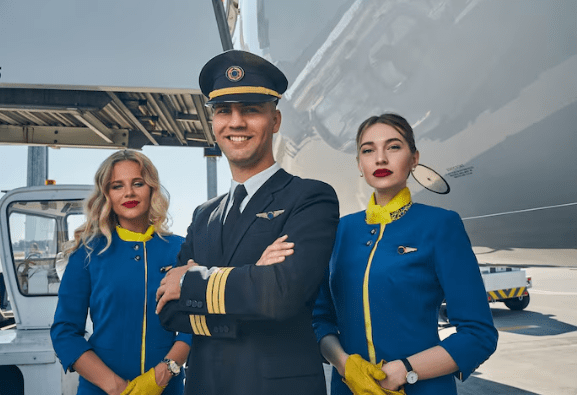
Typically, new recruits start off as Second Officers, making between SGD 75,000 and 90,000 per year. This might not appear remarkable at first. However, tacked on to that figure are benefits for meals, transportation, and flight duty—components that subtly but steadily increase remuneration. The trajectory is steep for those who persevere. First officers have much greater authority and can make up to SGD 180,000, depending on the type of aircraft they fly, their seniority, and the duration of their duties.
| Category | Details |
|---|---|
| Airline | Singapore Airlines (SIA) |
| Entry-Level Salary | Second Officer: SGD 75,000 – 90,000 annually |
| Mid-Level Salary | First Officer: SGD 120,000 – 180,000+, depending on experience |
| Senior-Level Salary | Captain: SGD 250,000 – 350,000+, long-haul duties boost earnings |
| Key Add-Ons | Allowances, bonuses, profit-sharing, duty pay for long-haul flights |
| Benefits | 13-month salary, family travel perks, insurance, medical, 32 days leave |
| Source |
Pilots who advance to the rank of captain enter a level that is more about trust than pay. These celestial leaders frequently earn between SGD 250,000 and SGD 350,000 annually. With long-haul routes across countries, when duty hours immediately translate into more cash, that number can rise even further. Although flying from Singapore to New York or London can be taxing, it is unquestionably financially advantageous.
Singapore Airlines has maintained its standing as one of Asia’s most reputable airlines during the last ten years. Its pilot compensation structure is a major factor. In addition to a generous 32 days of leave, pilots receive a 13-month compensation package, free annual flights to any SIA location, and subsidized travel for family members. This combination results in a lifestyle that promotes travel, fitness, and financial security in addition to a work.
The airline makes sure pilots feel safe both on and off duty by offering complete health and dental coverage. Additionally, it links their motivations to the success of the business through profit-sharing and performance bonuses. During boom years, when top captains receive salary that would astonish even senior-level tech or finance experts, that strategy has proven incredibly effective.
Speaking with a buddy who received commercial pilot training in Singapore, he recalled the early pressure to memorize procedures, flight logic, and emergency protocols, but also the obvious cash rewards that came with each new certification. He informed me that being prepared when it matters is just as important as being able to fly.
I remembered that line. Because despite all the glitz and glamour of aviation, the daily work is exacting and mentally demanding. Pilots frequently deal with erratic schedules, quick time zone changes, and long stretches of time spent apart from their families. As a result, compensation transcends numbers and takes on the characteristics of resilience. a strategy for keeping talented workers in the face of the erratic scheduling of foreign flights.
Long-haul assignments are especially helpful to senior pilots. These routes unleash schedule patterns that many find more feasible in addition to providing higher duty pay. Some contend that fewer but longer flights are simpler to get used to than several quick regional stops. Furthermore, the long-haul routes have turned out to be substantially more profitable.
Amazingly, SIA has maintained its pilot support systems despite market volatility. Other airlines suspended promotions or reduced allowances. Even while SIA is not impervious to economic challenges, it has continued to prioritize the welfare of its pilots. The airline is still dedicated to providing long-term training and leadership opportunities for its flight crews.
The aviation industry is predicted to need thousands of additional pilots by 2030. More than prestige, Singapore Airlines’ ability to maintain its talent advantage will depend on how it keeps improving its remuneration structure. Younger pilots are already investigating hybrid positions in digital aviation systems, flying instruction, and simulation training. That retention could be further improved by a flexible pay structure.
Flying for SIA presents an incredibly structured ascent from a professional standpoint. The rewards are obvious, yet entry is competitive and the requirements are consistently high. The pay is reasonable and inspiring for those who are prepared to accept the distinctive rhythm of pilot life, which is characterized by early mornings, jet lag, and unparalleled sights at 38,000 feet.
The twilight of his career proved to be the most financially comfortable period of his life, according to a former SIA Captain. For decades of negotiating sky and decision trees, that seemed like a subtle compensation. His narrative was more about what the airline helped him create—a fully paid-off house, a retirement fund for his kids, and the ability to retire on his own terms—than it was about his wages. That has a subdued dignity. A last plunge into a merited legacy.
Pilot pay is probably going to stay competitive, if not increase, as Singapore Airlines keeps adding routes and modernizing its fleet. Losing skilled hands is just too expensive. Additionally, there has never been a greater motivation to keep talented captains in a field where continuity and confidence can be the difference between calm and disaster.
