

Few would guess that an Olympic pool, an art gallery, and an entire stadium are located beneath their feet in the bitterly cold winter months of Helsinki. Quietly pulsating with the pulse of contemporary life, the area feels buffered rather than buried. Originally intended as a bunker during the Cold War, it has developed into an urban layer that is far more resilient.
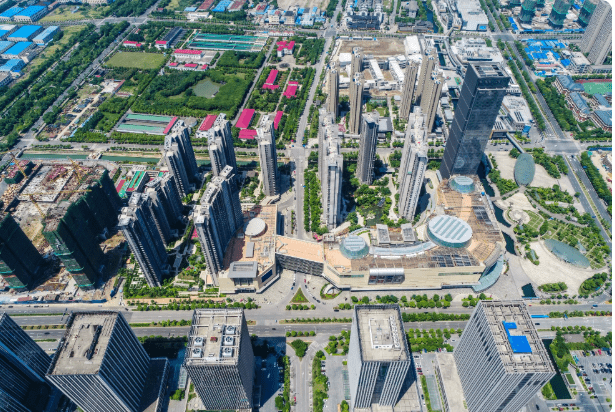
Urban planners have been grappling with the same problem for the past ten years: how to add millions of people without destroying the ecosystems that make cities habitable. Five more football fields of green land disappear under parking lots, towers, and roadways every hour. In addition to being unsustainable, this constant consumption lacks inspiration.
Excavating Urban Futures Below Ground
| Element | Detail |
|---|---|
| Urban Pressure | 24,000 hectares of land lost annually to urban expansion |
| 2050 Urban Forecast | 9.8 billion population; two-thirds expected to live in cities |
| Underground Cities in Practice | Helsinki, Montreal, Tokyo, Shanghai |
| Emerging Concepts | Mexico City’s Earthscraper, Singapore’s urban tunneling strategies |
| Benefits of Going Underground | Preserves surface space, enhances energy efficiency, reduces emissions |
| Key Uses Underground | Housing, retail, transit, water systems, cultural venues |
| Design Challenge | Often planned too late, limiting optimal integration |
Cities are opening up new possibilities by focusing their attention underground. The 33-kilometer underground metropolis of Montreal is more than simply a web of tunnels; it’s a climate-controlled community with stores, eateries, and transportation networks. Year-round shoppers traverse it without giving any thought to the idea that they are traversing a constructed world protected by meters of dirt and concrete.
It’s not a symbolic change. It’s structural. A similar feeling may be found in Tokyo at the Shinjuku Subnade mall, where busy business is hidden beneath the bustle of the street. These areas let the surface breathe, creating space for pedestrian squares, green roofs, or just more sunshine.
Mexico City has adopted a very creative strategy. BNKR Arquitectura suggested digging deep—300 meters below, to be precise—instead of constructing up. The skyline’s logic is turned upside down by its “Earthscraper.” Housing, offices, a museum, and marketplaces are all integrated into a reverse skyscraper that descends from the old Zócalo. It points to a time when density and heritage won’t conflict by maintaining sightlines and abiding by zoning regulations.
Planners are evaluating ways to turn subterranean infrastructure into habitable space in Singapore, where land scarcity is still a major issue. The city believes that urban depth can be the next step in sustainable architecture, which is why it decided to investigate underground dwelling options.
The InterContinental Wonderland, a hotel located inside a former quarry in Shanghai, is already operational. It provides visitors with an immersive experience in what was once a forgotten industrial scar, with 16 of its 18 storeys located below the surface. What progressive architects are now envisioning for cities under stress is remarkably akin to that adaptive usage of space—mining a gap for beauty.
I recall stopping in a granite hallway adorned with sculptures on a peaceful excursion to Helsinki’s underground museum district. The lighting was gentle and the temperature was constant. For a brief instant, I had the impression that I was protected but not completely enclosed by the breath of the soil.
Temperature stability is a surprisingly inexpensive benefit of subterranean constructions. The energy required for heating and cooling is decreased by natural insulation. This can save emissions and operating expenses when combined with extremely effective ventilation and lighting systems. This is more than just an architectural fad for climate-stressed communities; it’s a resilience strategy.
Moving underground has also significantly enhanced water systems. Subterranean aqueducts and trash routes were long ago incorporated in Paris and Tokyo, lowering the risk of contamination and surface congestion. In order to increase efficiency, planners of today are reexamining old tactics and incorporating layers of intelligent monitoring and AI-powered flow control.
However, one of the most enduring issues is still cultural. Subterranean spaces are naturally associated with emergency use, darkness, or imprisonment. It takes both functional and emotionally intelligent design to change that view. To overcome psychological hurdles, architects are experimenting with biophilic features like living walls, sun shafts, and reflective surfaces.
When incorporated from the very beginning, underground development becomes especially advantageous. All too frequently, it is only taken into consideration after above-ground plans fall short. Cities may construct continuous vertical ecosystems that work peacefully up and down by incorporating subterranean potential into environmental assessments and zoning frameworks from the beginning.
Some cities are even investigating the potential of subterranean layers for historical preservation. In Istanbul, tunneling projects have been redirected to save historic sites, resulting in hybrid networks that combine innovative transit with archeological preservation. Undoubtedly, it’s a delicate balancing act, but it gives urban life a fresh dimension.
