

At 8:31 on a rainy Birmingham morning, the school gate was busy with parents arriving in groups that looked a lot like commuters entering a busy station. Engines were humming as kids stepped out with big backpacks and unfinished conversations.
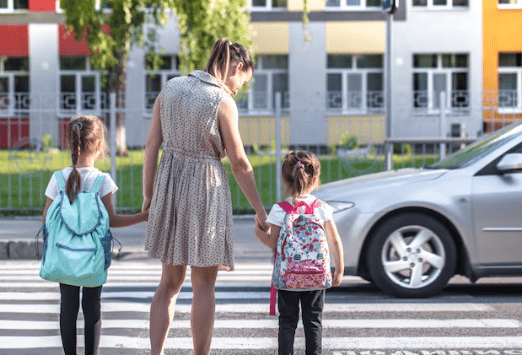
For years, these moments happened with a predictable sense of urgency. Cars lined both sides of narrow streets, and drivers carefully navigated gaps while keeping an eye out for children who might suddenly dart between vehicles. It was a pattern that felt routine but also fragile.
Key Facts About Birmingham School Congestion Pricing Plan
| Category | Details |
|---|---|
| City | Birmingham, West Midlands, United Kingdom |
| Initiative Name | Kids Streets Pilot Program |
| Policy Type | Congestion pricing and vehicle restrictions near schools |
| Key Leaders | Active Travel Commissioner Beccy Marston, Road Safety Commissioner Mat MacDonald |
| Inspiration | Paris school street safety model |
| Main Goal | Improve child safety and reduce traffic congestion |
| Pilot Timeline | Expected to begin in the coming months |
| Key Measures | Car bans, congestion charges, safer crossings |
| Expected Outcome | Safer streets, healthier commutes, reduced traffic |
Over the past ten years, Birmingham’s streets have become steadily more crowded. This is due to population growth and changing habits. School zones have become especially stressful areas where safety risks and traffic problems often came together in ways that worried officials.
City leaders are now working on a very creative plan through the Kids Streets initiative. They are adding congestion pricing and car-free zones that could cut down on the number of cars on the road and make families think about how they get to school every morning.
The idea works a lot like putting a filter in a busy stream. It lets important movement happen while calming down too much flow, making traffic patterns easier and making room for safer, calmer arrivals that are good for both kids and parents.
Officials want to make places feel much better by limiting vehicle access during busy school hours. This will let kids walk safely without having to deal with unpredictable traffic, and parents will have calmer, less stressful mornings.
Beccy Marston, the region’s Active Travel Commissioner, said that the program is based on similar policies that worked very well in Paris to turn busy school streets into safer, healthier corridors where people could talk instead of hear engines.
Birmingham’s pilot programs are meant to test these ideas in the city. They will be carefully planned and put into action slowly, so that communities can adapt naturally. The results will be measured to see how they could affect future transportation plans in the area.
As I watched parents argue about the proposal outside one school, I could tell that they were both hesitant and quietly curious about what those calmer mornings might be like.
For many families, the school run is more than just a way to get to school; it’s a daily routine that includes busy schedules, unpredictable weather, and the instinct to keep kids safe from trouble or danger.
But congestion pricing adds a new factor that gently pushes parents to rethink habits that formed slowly over time. Instead of strict bans, it changes how people make decisions by sending subtle economic signals.
This method can work very well because it respects people’s choices while making other options very appealing. It encourages people to walk, bike, or park a little farther away in ways that change behavior without forcing it.
Less traffic makes the roads much clearer and easier to navigate, which helps young pedestrians become more independent and gives parents more peace of mind about their safety and ability to get around.
Walking even short distances every morning can be very good for your health. It can also help you become more independent, resilient, and familiar with the area around each school.
Officials think these changes could also be surprisingly cheap for families. They would lower fuel costs and encourage habits that have long-term benefits beyond just getting around. Resistance is still a part of the conversation.
Some parents are concerned about convenience, especially those who have to balance work deadlines and family obligations. This shows that policies need to be flexible and able to adapt to real-life situations.
City planners understand these worries and stress that pilot programs will allow for changes, making sure that solutions stay very reliable and useful for different communities with different needs.
When done carefully, congestion pricing becomes less about limiting people and more about giving them chances. This makes streets safer and encourages healthier habits that make families and neighborhoods stronger.
Over time, these subtle shifts can reshape expectations, creating environments that feel calmer, safer, and more connected, reinforcing habits that support healthier lifestyles and stronger communities. Urban change often feels abstract until experienced personally.
Standing near a quieter school gate, hearing voices instead of engines, the benefits become exceptionally clear, demonstrating how thoughtful policy can translate directly into improved daily life.
